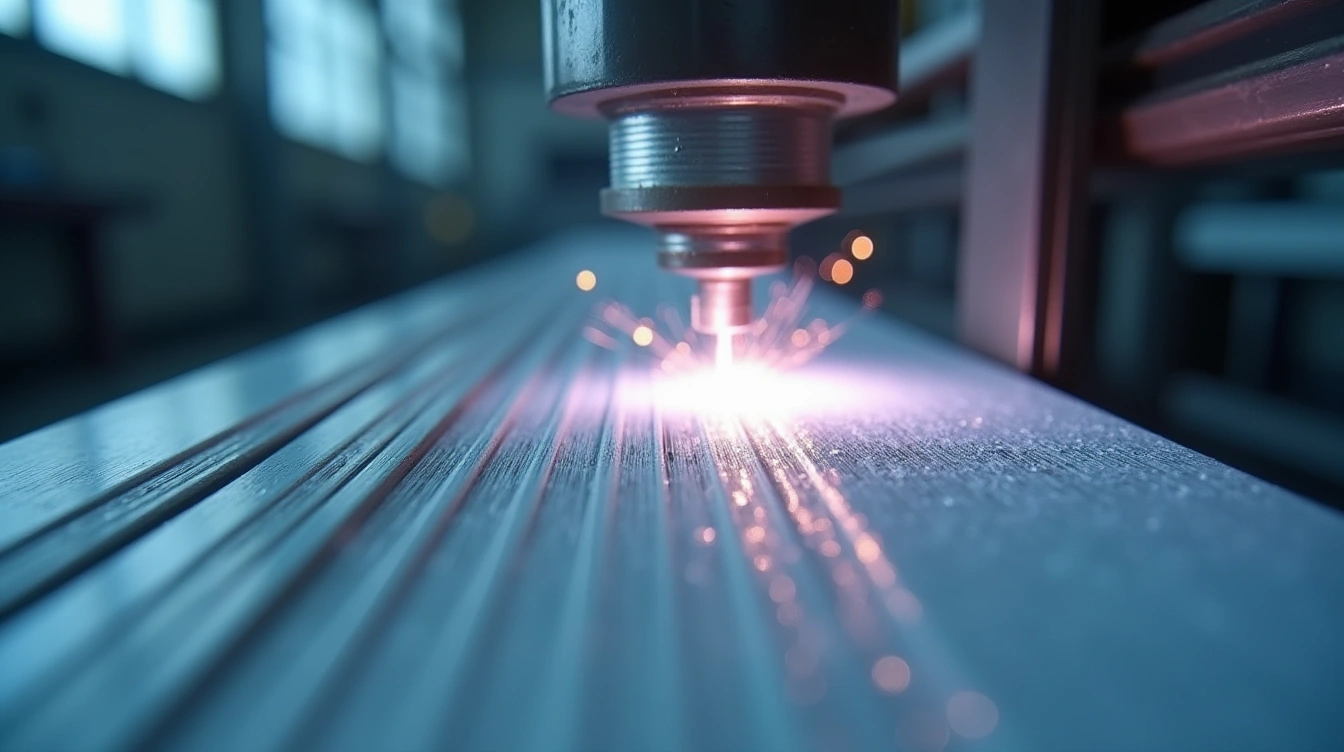
The drive for more sustainable, efficient solutions is reshaping industries from oil and gas to renewables. Among the most notable advances is dope-free coating—an innovative form of dry coating that is rapidly emerging as the new standard for threaded connections, pipes, and equipment where safety, performance, and environmental impact are critical.
Understanding dope-free coating and its applications
For decades, traditional thread compounds, often known as “dope,” have been used in heavy industry to ease assembly and protect metal surfaces. However, these compounds pose significant drawbacks, including environmental contamination and time-consuming cleanup. Dope-free coating offers a transformative alternative by providing a pre-applied, factory-controlled protective layer on threaded components, eliminating many of these risks.
This might interest you : How Can UK Businesses Navigate Current Service Challenges?
This technology leverages dry lubrication to replace grease-based products, resulting in cleaner, more reliable connections with minimal residue at worksites. Companies adopting dope-free technology consistently report gains in operational efficiency and environmental responsibility, especially when handling large volumes of threaded pipe and fittings.
Key benefits of dope-free technology
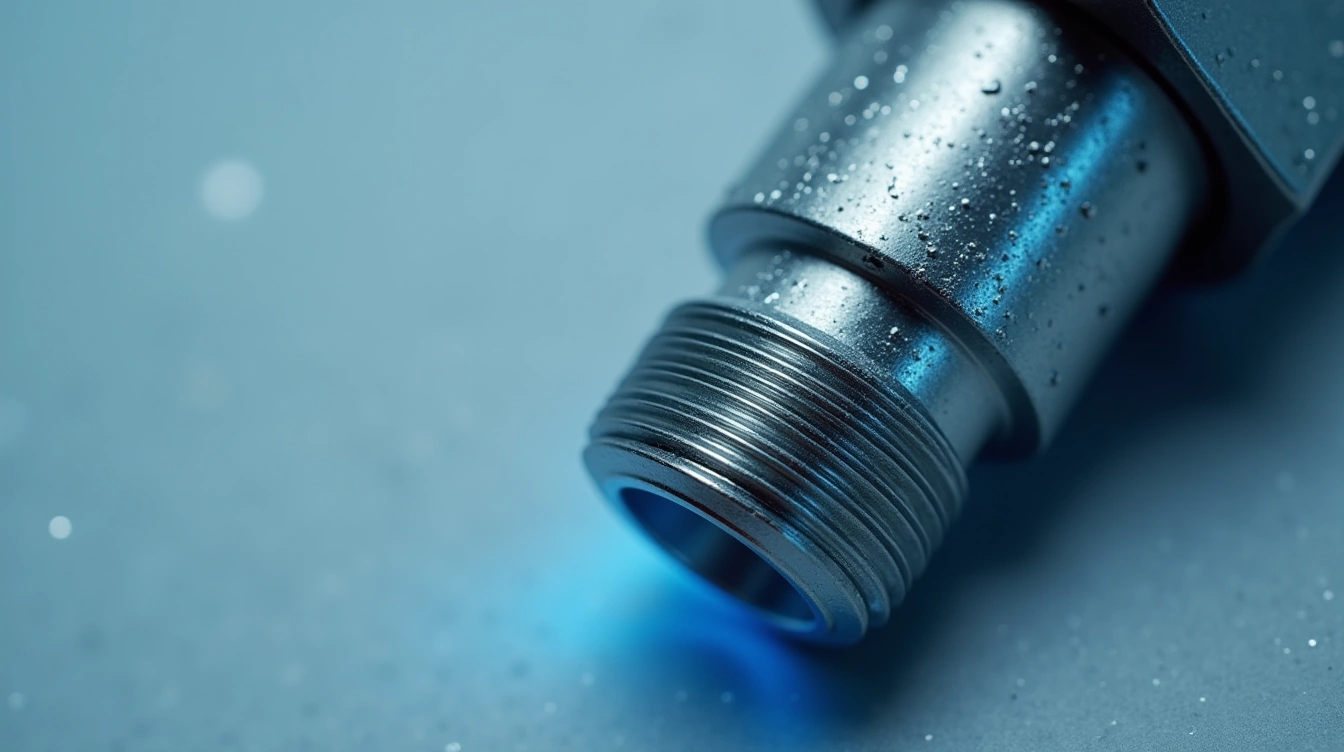
Transitioning from conventional thread compounds to dope-free coating delivers far more than convenience. The advantages extend to safer workplaces, easier inspections, and reduced chemical exposure. These improvements promote cleaner practices, limit hazardous waste, and simplify maintenance routines for both personnel and equipment. To gain deeper insights into how this shift impacts industrial operations, you can learn the advantages of dope-free coating with vallourec.
Also to discover : Effortless audio translation: subtitles in any language
Professionals in drilling, well installation, and construction increasingly turn to dope-free solutions as they move towards higher environmental standards. Compared to legacy methods, this technology offers immediate and lasting value across diverse operations.
Boosting corrosion and galling protection
Corrosion protection is essential in harsh environments. Pre-applied dope-free coatings create a robust barrier against moisture, chemicals, and temperature swings that can quickly degrade uncoated threads. Field trials reveal that parts protected with dry coating experience less rust and oxidation over time.
Galling protection is another important benefit, particularly in settings involving repeated assembly and disassembly. Uniform dry lubrication prevents damaging metal-on-metal contact, reducing friction and wear. As a result, teams often find it easier to make up and break out threaded joints, enhancing workflow and equipment longevity.
Promoting a cleaner environment and workplace safety
Abandoning oily compounds leads to significantly lower site contamination. Residues no longer seep into soil or water systems, making regulatory compliance simpler and more consistent with sustainability goals. By adopting dopeless® technology, sites also see streamlined waste management thanks to fewer hazardous materials.
Workplace safety improves as staff handle fewer toxins and face less skin or respiratory irritation. Additionally, the absence of greasy residues reduces slip hazards, directly supporting a proactive approach to workplace health and accident prevention.
How does dry coating compare to traditional alternatives?
Direct comparisons highlight the concrete benefits of dry coating strategies over older approaches. Such insights allow decision makers to assess whether transitioning to dope-free systems aligns with their technical requirements and sustainability targets.
Both laboratory testing and real-world use show that dope-free solutions often equal or surpass the performance of wet-thread compounds, particularly in application speed and consistency between installations. Operational costs related to cleaning, waste disposal, and frequent replacement are also notably reduced.
- 🌱 Cleaner operations – less pollution and residue at job sites
- 🔧 Simplified assembly/disassembly – smoother makeup and breakout without stickiness
- 🔥 Longer component lifespan – improved surface integrity under stress
- 🦺 Improved worker safety – minimized contact with hazardous substances
Main industries benefiting from dope-free coating
While the oil and gas sector pioneered widespread adoption, many other fields now utilize dope-free coatings for their reliability and eco-friendly nature. Any operation requiring routine joining and separation of metallic threads stands to benefit—from offshore construction to geothermal energy, mining, and pipeline maintenance.
Environmental and mechanical specialists recommend specifying dope-free technology during manufacturing, especially for high-stakes projects or worksites facing pressure to reduce contaminants and meet strict regulations.
| 🔍 Industry | 🏆 Key Benefits |
|---|---|
| Energy (oil & gas, renewables) | Better corrosion resistance, faster installation, fewer cleanups |
| Construction | Fewer hazardous spills, smoother threading |
| Mining | Extended service intervals, safer onsite conditions |
| Pipelines | Reduced downtime, enhanced joint protection |
What factors influence the effectiveness of dope-free coatings?
No single dope-free coating suits every situation. Choice depends on operating temperatures, load demands, and exposure to corrosive agents. Manufacturers provide different variants, each tailored for specific engineering challenges and real-world conditions.
Factors such as base material compatibility, applied layer thickness, and abrasive contaminants all affect long-term durability. Close collaboration between materials experts and field engineers ensures optimal results from this advanced class of thread protection technologies.
Frequently asked questions about dope-free coating
How does dope-free coating differ from traditional thread compounds?
Dope-free coating provides a pre-applied, dry protective film, while traditional compounds rely on pastes or greases. This eliminates manual application, reduces mess, and streamlines assembly. With dry coating, contamination risks drop and batch-to-batch performance is more consistent.
- 🛡️ No need for onsite lubricant application
- 🧹 Easier cleanliness and maintenance in the field
Can dope-free technology provide reliable corrosion protection?
Yes. Modern dope-free coatings are engineered to block water, salts, and harsh chemicals. Field data confirm that corrosion rates fall substantially on coated threads even after extended exposure to tough environments.
| 🔬 Protection test | 🟢 Dope-free coated | 🔴 Traditional dope |
|---|---|---|
| Salt spray (hours) | 500+ | 150–300 |
| Visible rust after field use | No | Sometimes |
What role does dope-free coating play in workplace safety?
Dry-coated threads limit direct contact with hazardous compounds. Workers experience fewer skin irritations and respiratory concerns. Eliminating greasy residues also means fewer slips and accidents, creating a safer working environment overall.
- 🦺 Minimized exposure to harmful chemicals
- 👷 Lower slip/trip incidents caused by spilled compounds
Is it possible to retrofit existing installations with dry coating?
Ideally, dope-free coating should be applied during initial manufacture for maximum coverage and adhesion. Field retrofitting is possible using specialized processes but requires thorough cleaning and precise surface preparation for success.
- 🚚 Factory application preferred for uniformity
- 🔧 Field retrofits require expert oversight
In summary, dope-free coating marks a major step forward for industries seeking better performance, greater safety, and a cleaner environment. As demand grows for sustainable and efficient solutions, understanding and embracing this technology will remain a priority across sectors. What future innovations might further transform how we protect and connect industrial assets?